9+ curated guides • Updated November 2025
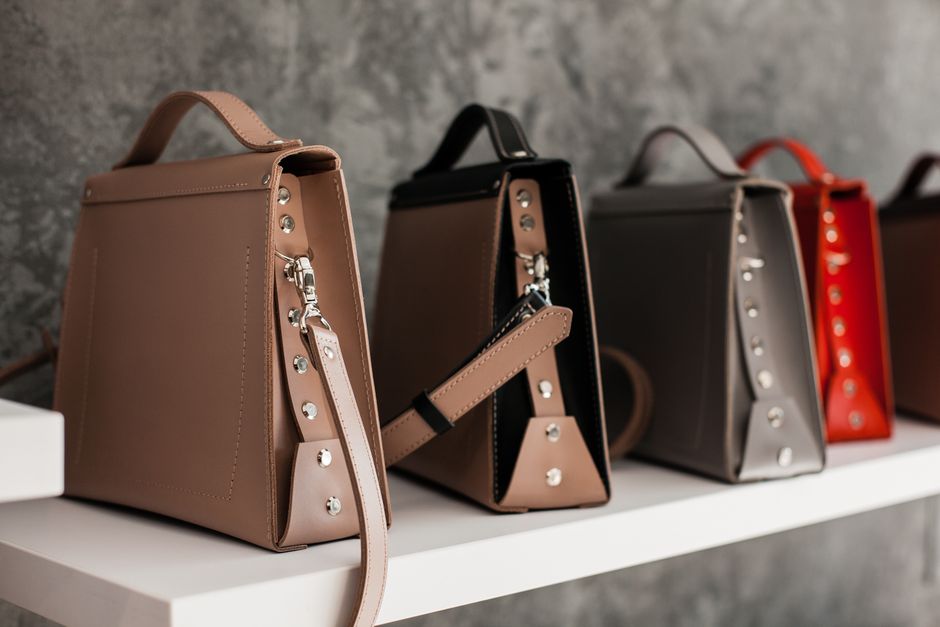
In 2022, we didn't just start carrying handbags again; we started arming ourselves for a world we were relearning. Forget fleeting trends—the oversized totes, vibrant micro-bags, and hyper-functional carryalls of that year were silent barometers of our collective anxiety, optimism, and desperate need for control. This is the story of how our baggage carried our baggage. The handbag, that most intimate of public accessories, transformed from a simple vessel into a vital piece of psychological scaffolding. It became the tangible object through which we processed our re-entry into society. The three dominant archetypes of the year—The Survivalist Tote, The Dopamine Micro-Bag, and The Control-Freak Carryall—weren't dictated by runways, but by our psyches. Each one tells a different story about how we chose to face a world that felt both familiar and terrifyingly new.
The conversation around AI-generated deepfakes focuses on the violation of the subject, and for good reason. But what about the other person in the equation: the viewer? This isn't a victimless act of consumption—it's an active participation in a phenomenon that quietly rewires our neural pathways for empathy, consent, and our very perception of truth. Every click, every view, every moment spent observing a synthetic, non-consensual depiction of a real person is a micro-dose of a powerful neurotoxin. It doesn't just entertain or shock; it fundamentally alters the cognitive architecture we use to relate to one another. We are training our brains to accept a reality where human identity is a malleable commodity, and in doing so, we are introducing a critical bug into our own social programming: the empathy glitch.
Frank Ocean has always made his fans wait. His luxury jewelry brand, Homer, with its appointment-only viewings and staggering price tags, feels like the pinnacle of this elusiveness. But what if we're looking at it all wrong? This isn't just jewelry; it's a physical thesis on art, commerce, and what it means to be a fan in an era of manufactured desire. It challenges us to ask whether the most profound artistic statements of our time must be audible. Homer proposes a radical alternative: a silent album, meticulously crafted from enamel and lab-grown diamonds, its narrative embedded not in sound waves, but in the very systems of value and scarcity that define our culture.
That 65-inch TV for $298 looks incredible on the front page of Walmart's Black Friday ad, but it's a trap. Most shoppers fall for these flashy 'doorbusters,' but the real value is often hidden elsewhere – and some 'deals' aren't deals at all. We analyzed the data to show you how to spot the difference between a genuine bargain and a carefully crafted decoy. This isn't about finding coupons; it's about understanding the retail playbook. By examining historical pricing data, product lifecycle stages, and the hidden world of derivative models, we can peel back the curtain on these mass-market illusions and equip you with a data-driven strategy to win Black Friday.
We see them on red carpets and in curated Instagram posts, the epitome of #CoupleGoals. But behind the seemingly perfect romance of today's biggest celebrity duos lies a different kind of partnership—one built on brand synergy, joint ventures, and a shared bottom line. Forget love stories; this is the story of how two personal brands merge to become a corporate powerhouse. This analysis moves beyond the tabloids to examine the C-suite strategy that turns public affection into private equity. We will dissect the anatomy of these financial mergers, from the initial 'brand audit' to the long-term goal of building a dynastic enterprise that outlives any single film role or hit song. In the modern celebrity economy, a strategic partnership is the ultimate career accelerator, and we're pulling back the curtain on the prospectus.
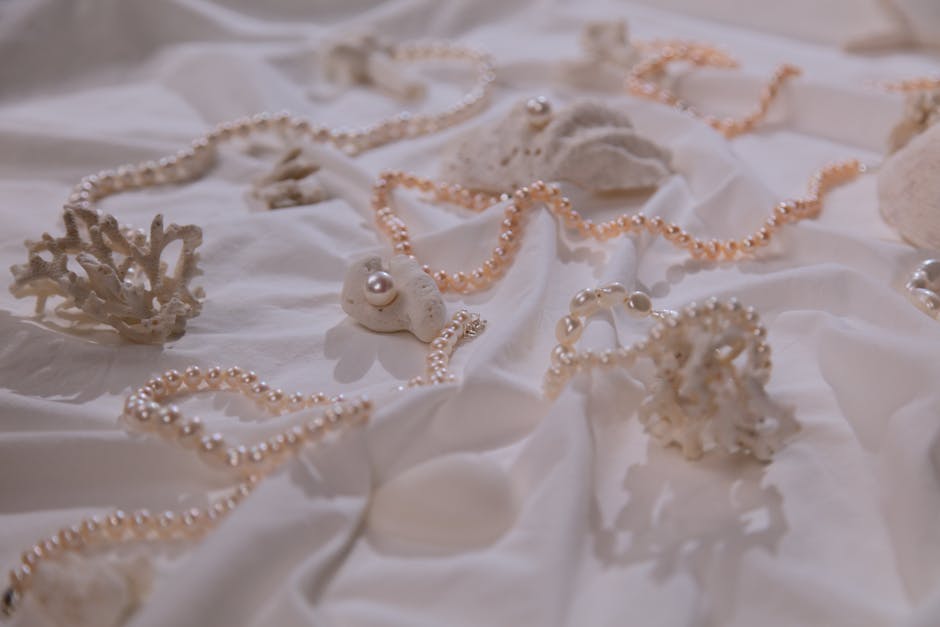
That gaudy Art Deco brooch you inherited might be more than just a pretty accessory. Tucked away in jewelry boxes across the world are pieces made from some truly wild materials—think plastic derived from milk and even glass that glows under a blacklight because it’s radioactive. Before you dismiss your vintage finds as simple 'costume' pieces, let's uncover the forgotten science that makes them truly remarkable. As a collector who lives for the story behind the object, I find that the real treasure isn't just the design, but the audacious, experimental, and sometimes downright bizarre materials that artisans and chemists of the past used to craft these miniature works of art. This is where history, chemistry, and fashion collide.
You found the perfect conch ring online, a delicate hoop that looked stunning on the model. Yet, in your own ear, it sits awkwardly, causes irritation, or simply doesn't look right. This frustrating experience isn't about bad style—it's about anatomy, and understanding it is the secret to unlocking the perfect fit. As a piercer who specializes in ear curation, I see this constantly. Clients come in defeated, holding a beautiful piece of jewelry that has become a source of pain and disappointment. My job isn't just to perform a piercing; it's to be an architect for your ear, mapping its unique landscape to build a collection of jewelry that is not only beautiful but feels like it was made for you. This article will shift your focus from fleeting trends to the timeless principle of anatomical harmony, ensuring your next conch ring is a triumph of personal style and comfort.
Remember the post-lockdown style explosion of 2022? Y2K was back, dopamine dressing was in, and certain designer bags were completely inescapable. But now that the hype has faded, we're asking the billion-dollar question: which of those 'It-Bags' were actually smart investments, and which are now just collecting dust? From the crystal-studded Balenciaga Le Cagole to the ubiquitous Prada Re-Edition Nylon, 2022 was a year of high-visibility handbags. As a consignment market analyst, I see the aftermath of these trends daily. In this report, we'll dissect the resale data to reveal which bags held their value, which plummeted, and the crucial lessons to learn before your next luxury purchase. This is your definitive guide to understanding the difference between a fleeting trend and a future classic.
Forget the waitlists at Hermès. The most significant status symbol in fashion today sells out in eight minutes and is proudly made of vegan leather. The Telfar bag, or 'Bushwick Birkin,' isn't just an accessory; it's a membership card to a new school of thought that values inclusivity over exclusivity. We're decoding what owning one truly says about you and the future of luxury.